
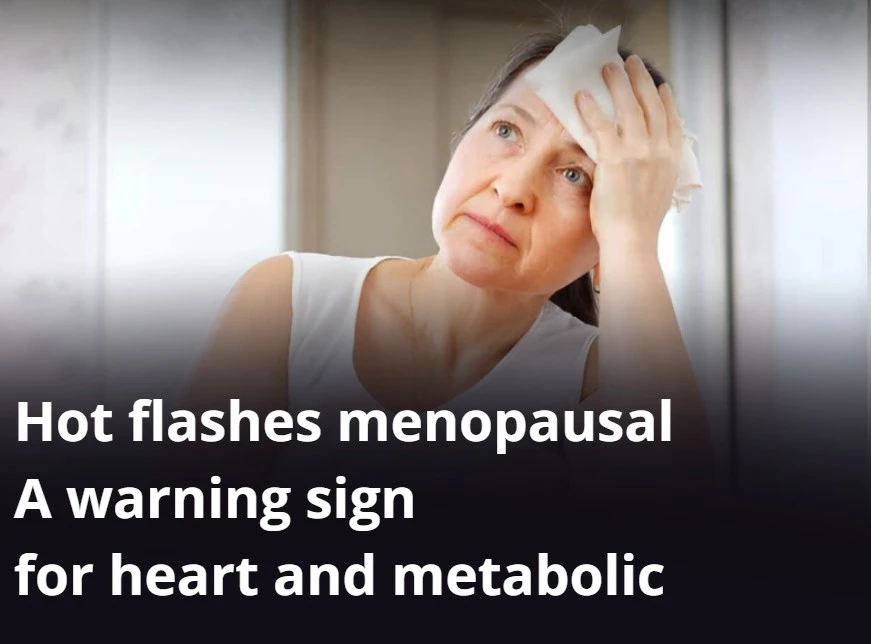
Hot Flashes in Menopause
Many women experience hot flashes during perimenopause and menopause. A sudden feeling of heat, sweating, flushing, or discomfort can be one of the most noticeable changes during this stage of life.
For many people, hot flashes are considered a normal symptom of hormonal transition. However, research suggests that the pattern, timing, and severity of hot flashes may also provide important information about overall health.
Menopause is not only about reproductive hormones. Changes in estrogen levels can affect multiple systems in the body, including blood vessels, metabolism, cholesterol levels, sleep, and cardiovascular health.
This does not mean that every woman with hot flashes has a heart problem. Instead, hot flashes can be one factor doctors consider when assessing a woman’s overall health during midlife.
Understanding the connection between hot flashes in menopausal women, hormones, and metabolic health can help women make informed decisions about preventive care.
What Are Hot Flashes During Menopause?
Hot flashes are sudden episodes of warmth, usually felt around the:
- Face
- Neck
- Chest
- Upper body
They may also involve:
- Sweating
- Flushing
- Rapid heartbeat
- Chills afterward
- Sleep disruption
- Anxiety or discomfort
Hot flashes occur because changes in hormone levels, especially declining estrogen during menopause, affect the brain’s temperature regulation system.
The body becomes more sensitive to small changes in temperature, causing the blood vessels to widen and the body to activate cooling responses such as sweating.
Why Do Hot Flashes Happen During Menopause?
During the reproductive years, estrogen helps regulate many processes in the body.
As women approach menopause, estrogen levels naturally fluctuate and eventually decline.
These hormonal changes can influence:
- Temperature control
- Blood vessels
- Cholesterol metabolism
- Bone health
- Mood
- Sleep
- Body composition
The severity and frequency of hot flashes vary significantly between women.
Some women experience occasional mild symptoms, while others experience frequent episodes that affect sleep and daily activities.
Are Hot Flashes Linked to Heart Health?
Research has suggested that certain patterns of hot flashes may be associated with cardiovascular risk factors.
Women who experience frequent or severe hot flashes, particularly earlier in the menopausal transition, may have differences in:
- Blood vessel function
- Blood pressure regulation
- Metabolic health markers
Hot flashes themselves do not directly cause heart disease.
However, they may be a sign that a woman’s body is experiencing changes that are also connected with cardiovascular health.
During menopause, women may also experience changes such as:
- Increased LDL cholesterol
- Reduced HDL cholesterol
- Increased abdominal fat
- Changes in blood pressure
- Reduced insulin sensitivity
These factors can contribute to cardiovascular risk over time.
How Menopause Affects Metabolic Health
Menopause can influence how the body stores and uses energy.
Many women notice changes such as:
- Increased abdominal weight
- Reduced muscle mass
- Changes in body shape
- Increased difficulty maintaining weight
- Changes in blood sugar control
These changes are not simply caused by aging alone. Hormonal changes, lifestyle factors, sleep disruption, and reduced activity can all contribute.
Metabolic health includes:
- Blood sugar regulation
- Cholesterol balance
- Blood pressure
- Body composition
- Insulin sensitivity
Monitoring these areas becomes increasingly important during midlife.
Hot Flashes and Sleep Problems
One of the most common effects of hot flashes is disrupted sleep.
Night sweats can cause women to:
- Wake up frequently
- Have difficulty falling asleep again
- Feel tired during the day
Poor sleep can affect:
- Appetite regulation
- Stress hormones
- Blood sugar control
- Mood
- Cardiovascular health
This creates a cycle where menopause symptoms and metabolic health may influence each other.
Who May Need a Menopause Health Assessment?
Not every woman experiencing hot flashes requires medical treatment.
However, a health assessment may be useful if you have:
- Frequent or severe hot flashes
- Night sweats affecting sleep
- Changes in weight or body composition
- Family history of heart disease
- High blood pressure
- High cholesterol
- Prediabetes or diabetes risk
- Symptoms affecting quality of life
A doctor can help determine whether symptoms are related to menopause or whether other health factors should be investigated.
When Should You See a Doctor About Hot Flashes?
Consider a medical consultation if:
- Hot flashes are interfering with sleep
- Symptoms are affecting work or daily activities
- Symptoms start earlier than expected
- You experience unusual heart symptoms
- You have significant mood changes
- You have unexplained weight changes
- You are concerned about hormone changes
Not every symptom during menopause is caused by hormones alone. A proper assessment can help identify other possible causes.
What a Doctor May Assess
A doctor-led menopause and health assessment may include:
- Medical consultation
- Menstrual and menopause history
- Symptom review
- Blood pressure measurement
- Weight and body composition assessment
- Cardiovascular risk assessment
- Blood tests if needed
- Hormone evaluation when appropriate
- Blood sugar testing
- HbA1c
- Cholesterol testing
- Thyroid assessment
- Lifestyle review
This provides a broader picture of health rather than focusing only on menopause symptoms.
Blood Tests That May Be Considered During Menopause
Depending on symptoms and medical history, a doctor may consider:
Hormone Tests
May include:
- Estradiol
- FSH
- LH
These may help evaluate hormonal changes when clinically appropriate.
Metabolic Tests
May include:
- Fasting glucose
- HbA1c
- Lipid profile
These help assess cardiovascular and metabolic risk.
Thyroid Testing
Thyroid conditions can sometimes cause symptoms that overlap with menopause, such as:
- Fatigue
- Weight changes
- Mood changes
- Temperature sensitivity
Lifestyle Factors That Support Heart and Metabolic Health
Menopause is a good time to focus on preventive health.
Helpful habits include:
Regular Exercise
Combining:
- Strength training
- Walking
- Cardiovascular exercise
can support muscle, bone, and heart health.
Balanced Nutrition
A balanced diet can support:
- Blood sugar control
- Cholesterol management
- Healthy body composition
Sleep Support
Managing hot flashes and improving sleep quality can positively affect overall health.
Regular Health Screening
Monitoring blood pressure, cholesterol, and blood sugar can help identify risks early.
Can Hormone Therapy Help Hot Flashes?
Hormone therapy may help some women manage moderate to severe menopausal symptoms, including hot flashes.
However, it is not suitable for everyone.
The decision depends on factors including:
- Age
- Time since menopause
- Personal medical history
- Breast cancer risk
- Cardiovascular risk
- Blood clot risk
A doctor should discuss the potential benefits and risks before starting hormone therapy.
Benefits of Understanding Hot Flashes Beyond Symptoms
Recognising hot flashes as part of a broader health picture can help women:
- Identify cardiovascular risk factors earlier
- Monitor metabolic health
- Understand hormonal changes
- Improve quality of life
- Make informed healthcare decisions
Menopause is a natural life stage, but it is also an important time for preventive healthcare.
Why Doctor-Led Care Matters
Menopause symptoms are different for every woman.
One person may only experience occasional hot flashes, while another may have significant symptoms affecting sleep, mood, and daily life.
A doctor can help determine:
- Whether symptoms are related to menopause
- Whether additional health checks are needed
- Whether hormone testing is appropriate
- Whether treatment options are suitable
- How to support long-term health
The goal is not only symptom management but supporting overall wellbeing.
Book a Menopause Health Consultation in Bangkok
If you are experiencing hot flashes in menopausal women, MedConsult Clinic provides women’s health consultations in Bangkok.
Our doctors can help assess menopause symptoms, hormonal changes, metabolic health, and preventive health needs.
A consultation can help you understand your symptoms and create a personalised approach based on your health history and goals
Frequently Asked Questions
Are hot flashes a normal part of menopause?
Yes. Hot flashes are one of the most common symptoms during perimenopause and menopause due to changing hormone levels.
Do hot flashes mean I have heart disease?
No. Hot flashes do not mean you have heart disease. However, frequent or severe symptoms may be considered alongside other cardiovascular risk factors.
Can menopause increase the risk of weight gain?
Hormonal changes, reduced muscle mass, sleep disruption, and lifestyle factors can contribute to changes in body composition during menopause.
Should women check cholesterol and blood sugar during menopause?
Yes. Midlife is an important time to monitor cardiovascular and metabolic health, especially if other risk factors are present.
References
The North American Menopause Society (NAMS)
The 2022 Hormone Therapy Position Statement.
https://www.menopause.org/
American Heart Association
Menopause and Cardiovascular Health.
https://www.heart.org/
American College of Obstetricians and Gynecologists (ACOG)
Hormone Therapy for Menopause.
https://www.acog.org/
El Khoudary SR, Aggarwal B, Beckie TM, et al.
Menopause Transition and Cardiovascular Disease Risk: Implications for Timing of Early Prevention.
Circulation. 2020;142:e506–e532.
World Health Organization
Menopause and Health.
https://www.who.int/health-topics/menopause