
Does a negative result today actually mean you’re in the clear, or are you just caught in the “window period”? It’s completely natural to feel a sense of urgency and anxiety after a potential exposure. You want answers immediately, but the confusion surrounding different generations of the HIV test can make an already stressful situation feel overwhelming. Managing your healthcare in a foreign country often adds another layer of concern, especially when privacy and professional discretion are your top priorities.
We’re here to help you regain your peace of mind. This guide provides absolute clarity on the latest diagnostic technologies available in Thailand, helping you choose the right screening at the right time for a result you can trust. You’ll gain a full understanding of how window periods work, the difference between modern 4th-generation and PCR testing, and exactly what to expect from a professional, supportive medical environment. Whether you’re looking for rapid results or the highest level of clinical accuracy, we’ll walk you through the next steps for your sexual health with transparency and care.
Key Takeaways
- Learn how to navigate the window period to ensure your results are medically accurate and avoid the stress of testing too early.
- Understand the differences between modern 4th-generation screenings and PCR technology to choose the most reliable HIV test for your specific timeline.
- Discover why clinical testing offers a higher level of precision and professional guidance compared to home self-test kits.
- Get a clear roadmap for interpreting your results and the essential clinical protocols to follow for both reactive and non-reactive outcomes.
- Explore how a discreet, international-standard environment in Thailand can provide a stress-free experience for your sexual health needs.
The Importance of the Window Period in HIV Testing
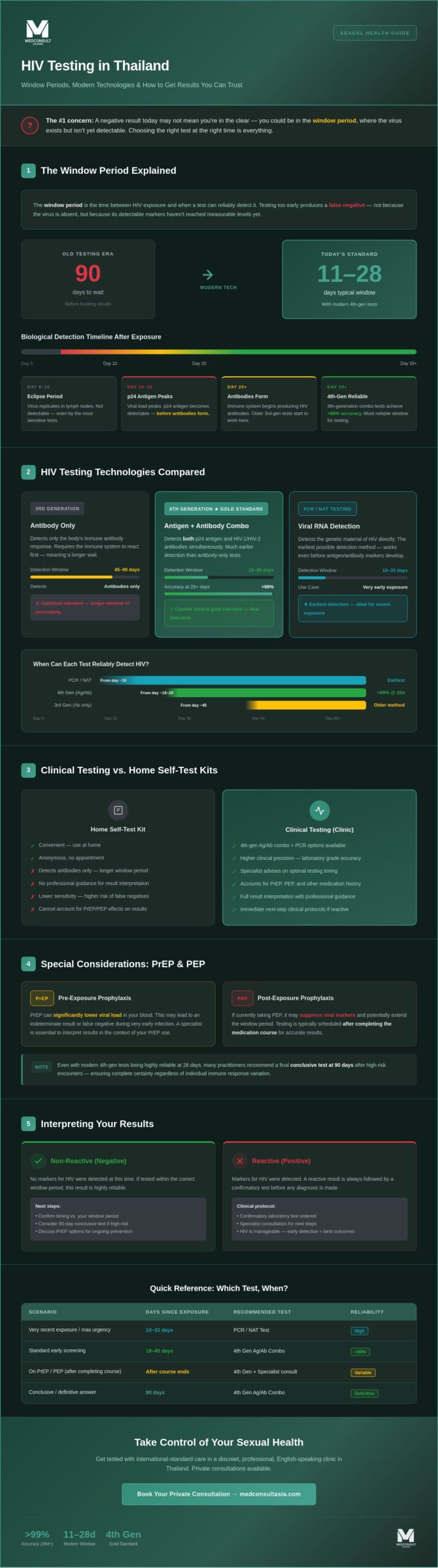
The “window period” is the specific timeframe between a potential exposure to HIV and the moment a test can reliably detect the infection. It’s a biological waiting room that often causes significant anxiety. If you take an HIV test too early, you risk receiving a “false negative” result. This doesn’t mean the virus isn’t present; it simply means the markers the test is designed to find haven’t reached detectable levels yet. In the early days of diagnostics, patients were often told to wait a full three months before they could trust their results. Today, thanks to massive advances in medical technology, that window has shrunk to between 11 and 28 days for most modern screenings. However, achieving absolute clinical certainty requires matching the right test to the right point in your personal timeline.
The Biological Timeline of HIV Detection
Your body goes through distinct phases after exposure, each offering different opportunities for detection. From day zero to approximately day 10, you are in the “Eclipse Period.” During this stage, the virus is replicating in the lymph nodes but hasn’t entered the bloodstream in quantities that even the most sensitive equipment can find. Between day 10 and day 33, the viral load peaks and a specific protein called the p24 antigen becomes detectable. This is a breakthrough for early diagnosis because it appears before your immune system even begins making antibodies. By day 20 and beyond, HIV antibodies start to form. For a comprehensive look at how these markers are used in clinical settings, the Diagnosis of HIV/AIDS provides an excellent overview of the transition from antigen detection to antibody response.
Factors Affecting Your Testing Timeline
While biological windows are well-defined, individual factors can shift the timeline slightly. Every person’s immune system reacts at a different speed. Some people produce antibodies faster than others, which is why clinical guidelines provide a range rather than a single fixed day. Another critical factor is the use of Post-Exposure Prophylaxis (PEP). If you’re currently taking PEP, the medication works to stop the virus from taking hold. This can suppress viral markers and potentially extend the window period. In these cases, testing is usually scheduled after the course of medication is finished. While modern 4th-generation tests are highly reliable at the one-month mark, many practitioners still suggest a final “conclusive” test at 90 days for those who had a high-risk encounter. This ensures that no matter how your body responded, the final result is definitive and provides the peace of mind you deserve.
HIV Testing Technologies: 4th Generation vs. PCR
Selecting the right technology is just as critical as the timing of your appointment. While 3rd-generation tests rely solely on detecting the body’s immune response through antibodies, modern diagnostics have moved much further. The p24 antigen acts as a vital “early warning” signal because it’s a protein that makes up most of the HIV viral core. It appears in the blood long before antibodies do. The 4th Generation ELISA test is the current gold standard for diagnostic accuracy. By identifying both the virus itself and the body’s reaction, this method significantly narrows the window of uncertainty. Understanding the HIV test window period is essential for choosing between these advanced options.
It’s also important to consider how preventative medications like PrEP might influence your HIV test results. If you’re taking PrEP, it can significantly lower the viral load in your blood. In some cases, this might lead to an indeterminate result or a false negative during the very early stages of a potential infection. This is a nuance that many general resources miss, and it’s why speaking with a specialist is so valuable. If you’re unsure which technology fits your specific timeline or medication history, you can book a private consultation to discuss your options with an expert who understands these complexities.
4th Generation Antigen/Antibody (Ag/Ab) Combo Tests
These tests are the workhorse of modern sexual health clinics. They work by searching for both the p24 antigen and HIV-1/HIV-2 antibodies simultaneously. This dual detection mechanism allows for much earlier results than older antibody-only tests. Once you’ve passed the 28-day mark from exposure, these combo tests achieve an accuracy rate of greater than 99%. In the efficient clinical landscape of Thailand, turnaround times are impressive. You can often receive your results within a few hours or by the next business day, allowing you to move forward without prolonged waiting.
PCR/RNA Testing for Early Detection
PCR (Polymerase Chain Reaction) tests, often called Nucleic Acid Tests (NAT), take a different approach. Instead of looking for proteins or immune responses, they detect the actual genetic material of the virus. This direct detection makes PCR the superior choice for ultra-early screening, as it can identify the virus within just 10 to 14 days of exposure. While it provides the earliest possible answers, PCR is typically used for confirmation of reactive results or in specific high-risk cases rather than as a routine primary screening tool. Its high sensitivity is unmatched, but it’s most effective when used as part of a targeted diagnostic strategy guided by a medical professional.
Clinical HIV Testing vs. Home Self-Test Kits
As of 2024, the Thai FDA has registered four brands of HIV self-test kits for individual use, reflecting a national effort to make screening more accessible. These kits offer a high degree of privacy and convenience, especially for those who might feel hesitant about visiting a medical facility. However, while home kits are a valuable screening tool, they don’t provide the same level of diagnostic precision as a clinical HIV test. The primary concern with self-testing is “user error.” Improper storage, incorrect swabbing techniques, or misinterpreting a faint line can all lead to inaccurate results. In a clinical setting, trained professionals manage every variable, from sample collection to laboratory analysis, ensuring that the results you receive are definitive.
Beyond the technical accuracy, the clinical environment offers something a home kit cannot: professional counseling. Receiving a result, regardless of the outcome, can be an emotional experience. A clinical setting provides a supportive space where you can discuss your results with an expert who can explain what they mean for your long-term health. This approach helps eliminate the “stigma and discrimination” that the Thai government is actively working to reduce through its 2022-2026 national action plan. Choosing a professional clinic ensures you are not just getting a data point, but a comprehensive understanding of your sexual health status.
The Benefits of a Professional Medical Consultation
For the international community in Thailand, accessing English-speaking medical expertise is essential for clear communication. During a consultation, a doctor can perform a detailed risk assessment that goes beyond a simple blood draw. They can help determine if your testing timeline aligns with the window periods discussed earlier. If your exposure was very recent, a professional clinic provides immediate access to life-saving interventions like PEP (Post-Exposure Prophylaxis) or long-term prevention options like PrEP. This seamless transition from testing to treatment is a cornerstone of patient-centered care, ensuring that your health journey is managed with both discretion and efficiency.
When to Choose a Rapid Point-of-Care Test
Rapid point-of-care tests are excellent for those who need immediate answers. These tests typically use the terms “Reactive” or “Non-Reactive” rather than a simple positive or negative. A non-reactive result generally means no infection was detected, provided you are outside the window period. However, any “Reactive” result is considered preliminary. In a professional clinic, a reactive rapid test is immediately followed by confirmatory lab work, such as a Western Blot or viral load test. This protocol ensures that no diagnosis is made without absolute clinical certainty. While home kits leave you to figure out these next steps alone, a clinic handles the entire process for you in a single, hassle-free visit.
Interpreting Your Results and Next Steps
Receiving your HIV test results is the final step in replacing anxiety with clinical certainty. Whether your report indicates a “Non-Reactive” or “Reactive” status, having a clear roadmap for what comes next is vital for your long-term wellness. Our goal is to ensure you feel supported and informed throughout this process, moving you from a state of inquiry to a state of confidence.
A “Non-Reactive” result means that no HIV antigens or antibodies were detected in your sample at the time of the draw. A negative result at 28 days is highly reliable but requires a 90-day confirmation for absolute clinical certainty. This follow-up ensures that even for individuals with a slower immune response, the final diagnosis is definitive. If a result is “Reactive,” the clinic immediately initiates a confirmatory protocol. This involves more specific tests like the Western Blot or a viral load test to verify the initial finding. Occasionally, a result may come back as “Indeterminate.” This doesn’t mean you’re positive; it often occurs if the test reacts to other proteins in your blood or if an infection is in its very earliest stages. In these rare cases, we schedule a follow-up test to monitor any changes in the biological markers. If you’ve received any reactive or unexpected result, our detailed guide on navigating a positive STD test in Thailand walks you through every step from verification to treatment and your rights under Thai privacy law.
Managing a Negative Result
Once you’ve received a negative result, it’s the perfect time to shift from reactive concern to proactive prevention. Many patients use this opportunity to discuss PrEP (Pre-Exposure Prophylaxis) with their doctor to stay protected in the future. It’s also wise to integrate this screening into a comprehensive sexual health screening routine that covers other common infections like Syphilis or Hepatitis. Staying ahead of your health is a continuous process. Regular check-ups are the best way to maintain peace of mind while enjoying your life in Thailand. If you’re concerned about syphilis exposure alongside your HIV screening, our guide on getting a syphilis test in Bangkok explains the diagnostic methods, window periods, and confidential testing options available to you.
Immediate Action for Positive Results
If you receive a positive diagnosis, it’s important to remember that HIV is a manageable chronic condition in 2026. Modern medicine has completely transformed the outlook for people living with the virus. The “U=U” principle (Undetectable equals Untransmittable) is a scientific fact; it means that with consistent treatment, the virus becomes undetectable in the blood and cannot be passed to sexual partners. Thailand has robust, world-class referral pathways for Antiretroviral Therapy (ART). Starting treatment early allows you to live a long, healthy, and full life. Our team acts as your partner, guiding you toward the best care options available with complete discretion.
If you’re ready to take the next step in your health journey with a professional and supportive team, book your consultation today for a hassle-free experience.
Prevention is just as important as detection. If you believe you were exposed to HIV within the last 72 hours, PEP (Post-Exposure Prophylaxis) is an emergency intervention that can prevent the virus from taking hold. Timing is critical for PEP, and our team is ready to act quickly to provide the necessary medication. For those seeking ongoing protection, we offer PrEP (Pre-Exposure Prophylaxis). One common concern is how these medications might affect a future HIV test. Since PrEP can suppress viral replication, it requires a specialized testing strategy to ensure any breakthrough infection is caught early. Our doctors create personalized wellness plans that go beyond just testing, helping you stay protected while maintaining a clear and accurate picture of your health status.
Why Expats and Travelers Trust MedConsult
Transparency is at the heart of our service. From our clear pricing to our efficient, service-oriented staff, we ensure that every visitor feels like a valued partner in their own wellness. Our facilities meet high-quality international standards, offering a professional alternative to the often-intimidating atmosphere of large hospitals. Travelers and expats across Thailand value our ease of access and our ability to provide full STI panels alongside standard screenings. We avoid academic jargon, choosing instead to explain medical details in accessible language that builds trust. You can easily book a confidential doctor consultation to discuss your specific needs. We act as your knowledgeable guide, providing the medical authority you need with the personal warmth you deserve, ensuring your journey through the Thai healthcare system is smooth and reliable.
Take Control of Your Sexual Health Today
Gaining clarity on your status shouldn’t be a source of constant stress. By understanding how the window period affects your HIV test and choosing the right diagnostic technology, you’ve already taken the most important step toward peace of mind. Whether you need the ultra-early detection of PCR testing or the definitive accuracy of a 4th-generation screening, the right environment makes all the difference in your healthcare journey.
At MedConsult Clinic, we prioritize your comfort and privacy above all else. Led by UK-trained Dr. Donna Robinson, our team has over 20 years of experience providing high-quality care to the international community in Thailand. We offer a discreet, non-judgmental, and efficient service that fits your busy schedule. You don’t have to navigate these concerns alone; we’re here to act as your knowledgeable guide and partner in wellness. Our goal is to ensure you leave our clinic feeling informed, supported, and confident in your results.
Book Your Discreet HIV Test or Consultation Today and take the next step for your health. We look forward to providing you with the professional, hassle-free care you deserve.
Frequently Asked Questions
How soon after exposure can I take an HIV test for an accurate result?
You can take a PCR test as early as 10 to 14 days after exposure for highly accurate early detection. For a standard 4th-generation HIV test, most clinicians recommend waiting 28 days to ensure both the p24 antigen and antibodies have reached detectable levels. While early testing provides initial relief, a follow-up at 90 days remains the gold standard for absolute clinical certainty.
What is the difference between a 3rd and 4th generation HIV test?
A 4th-generation test is more advanced because it detects both HIV antibodies and the p24 antigen, while a 3rd-generation test only looks for antibodies. Because the p24 antigen appears in the blood much sooner than antibodies, 4th-generation technology reduces the window period significantly. This allows for reliable results in about four weeks instead of the three-month wait required by older testing methods.
Can PrEP or PEP affect the results of my HIV test?
Yes, both PrEP and PEP can influence your results by suppressing the virus and potentially delaying the production of detectable markers. If you’re taking these medications, it’s essential to inform your doctor so they can adjust your testing schedule for the most accurate outcome. Testing is typically performed at the start of the course and again after it’s finished to confirm your status.
Is HIV testing confidential in Thailand for foreigners?
HIV testing for foreigners in Thailand is strictly confidential and protected by medical privacy regulations. Private clinics prioritize your discretion, ensuring that your personal data and results are handled with the highest level of professional sensitivity. You don’t need to worry about your information being shared without your explicit consent, providing a safe and secure environment for your healthcare needs.
What should I do if my home HIV test shows a positive result?
If your home kit shows a reactive or positive result, your first step should be to visit a professional clinic for a confirmatory HIV test. Home kits are useful screening tools but can occasionally produce false positives due to user error or kit sensitivity. A clinical laboratory will use more precise methods, such as a Western Blot or viral load test, to provide a definitive diagnosis. For a full understanding of what to expect after any reactive result, including your privacy rights and treatment options, read our comprehensive guide on handling a positive STD test result in Thailand.
How long does it take to get HIV test results at a private clinic?
Turnaround times at private clinics are remarkably efficient, with rapid point-of-care results often available in just 15 to 30 minutes. 4th-generation lab tests usually provide results within a few hours or by the next business day. PCR testing is more complex and typically requires three to seven business days for the laboratory to process the genetic material of the virus and provide a report.
Does a negative HIV test mean I am also clear of other STIs?
A negative result for HIV does not mean you are clear of other sexually transmitted infections. Many STIs, such as Syphilis, Gonorrhea, and Chlamydia, require separate diagnostic tests because they involve different pathogens and biological markers. We recommend a comprehensive screening panel to ensure your total sexual health, as many infections can be asymptomatic and go unnoticed without specific, targeted testing. If syphilis is a particular concern, our detailed resource on confidential syphilis testing in Bangkok covers everything you need to know about RPR screens, TPPA confirmation, and window periods.
What is the “p24 antigen” and why is it important for early detection?
The p24 antigen is a structural protein that makes up the core of the HIV virus and is detectable in the blood shortly after infection. It’s critical for early detection because it appears well before the body begins producing antibodies. By targeting this antigen, modern 4th-generation tests can identify the virus during its acute phase, significantly shortening the anxious waiting time during the window period.