
Explore new HPV vaccines currently in clinical trials, including expanded protection options and what they may mean for future prevention.
New HPV Vaccines in Clinical Trials: What You Need to Know
Introduction
Human Papillomavirus (HPV) remains one of the most common viral infections worldwide, with certain high-risk strains linked to cervical cancer, genital warts, and other cancers affecting both men and women.
While current vaccines already provide strong protection against several high-risk HPV types, research is ongoing to develop next-generation vaccines that offer even broader coverage.
In this article, we explore the latest developments in HPV vaccines currently in clinical trials and what they may mean for the future of prevention.
Why New HPV Vaccines Are Being Developed
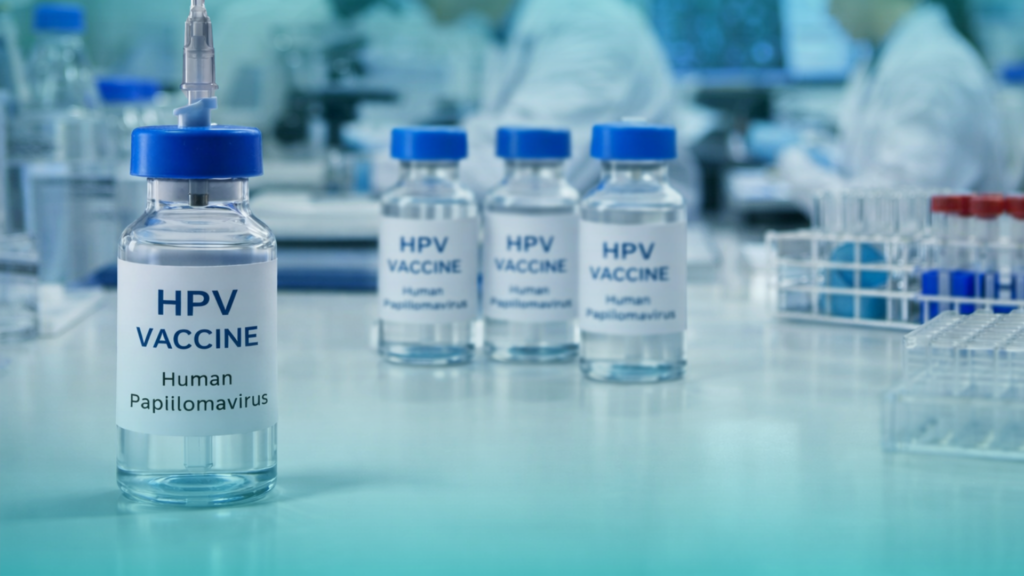
Limitations of Current Vaccines
Existing HPV vaccines are highly effective, but they:
- Cover specific high-risk strains
- Do not include all HPV types
- May not fully address regional strain variations
Goal of Next-Generation Vaccines
New vaccines aim to:
- Expand protection to more HPV strains
- Improve long-term immunity
- Increase global accessibility
These developments could further reduce HPV-related disease burden worldwide.
Types of HPV Vaccines in Clinical Trials
Expanded-Valency Vaccines
Researchers are developing vaccines that protect against more HPV strains than current options.
Examples include:
- 11-valent HPV vaccines
- 14-valent HPV vaccines
- Experimental 15-valent formulations
These aim to cover additional cancer-causing strains beyond those included in existing vaccines.
Regional Vaccine Development
Some clinical trials are focused on:
- HPV strains more common in specific regions
- Improving cost-effectiveness for wider public health use
This is particularly important in areas where HPV-related cancers remain highly prevalent.
What Do These New Vaccines Offer?
Broader Protection
The main advantage of new HPV vaccines is:
- Protection against a wider range of high-risk HPV types
This could further reduce the risk of:
- Cervical cancer
- Anal cancer
- Throat cancers
- Other HPV-related conditions
Potential for Improved Accessibility
Some newer vaccines are being designed to:
- Be more affordable
- Be easier to distribute globally
This may help increase vaccination rates in underserved populations.
Are These Vaccines Available Yet?
Clinical Trial Phase
Most of these vaccines are currently:
- In Phase II or Phase III clinical trials
- Still undergoing safety and efficacy evaluation
Not Yet Widely Available
At present:
- These vaccines are not yet approved for general use
- More data is required before regulatory approval
Patients should rely on currently approved vaccines for protection.
What Should Patients Do Now?
Current Vaccination Still Matters
Even with new vaccines in development, existing HPV vaccines already provide strong protection against the most common high-risk strains.
Vaccination is still recommended for:
- Adolescents and young adults
- Individuals who have not yet been vaccinated
- Some adults, depending on risk and medical advice
Early Prevention Is Key
HPV vaccination is most effective when:
- Given before exposure to the virus
- Combined with regular health screening (e.g., cervical screening)
HPV Vaccination at MedConsult Clinic
Available Protection Options
At MedConsult Clinic, HPV vaccination is part of a broader preventive health and sexual health service offering.
Patients can receive:
- Doctor consultation
- Vaccination guidance
- Safe and professional administration
Personalized Medical Advice
Our doctors can help determine:
- Whether HPV vaccination is suitable for you
- The appropriate schedule
- Any additional screening needed
For More Vaccination Services Click Here
Frequently Asked Questions (FAQs)
They aim to provide broader protection, but they are still under study and not yet widely available.
Current vaccines already offer strong protection. It is generally recommended to follow existing vaccination guidelines rather than delay.
Vaccination is commonly recommended for adolescents and young adults, but suitability depends on individual factors.
Approved HPV vaccines have been widely studied and are considered safe when administered by healthcare professionals.
References
World Health Organization (WHO) – HPV and Vaccination
Centers for Disease Control and Prevention (CDC) – HPV Vaccine Information
National Institutes of Health (NIH) – HPV Vaccine Research
Final Note (Compliance)
This article is for informational purposes only. HPV vaccination should be discussed with a licensed healthcare professional to determine suitability based on individual health needs.