
Introduction
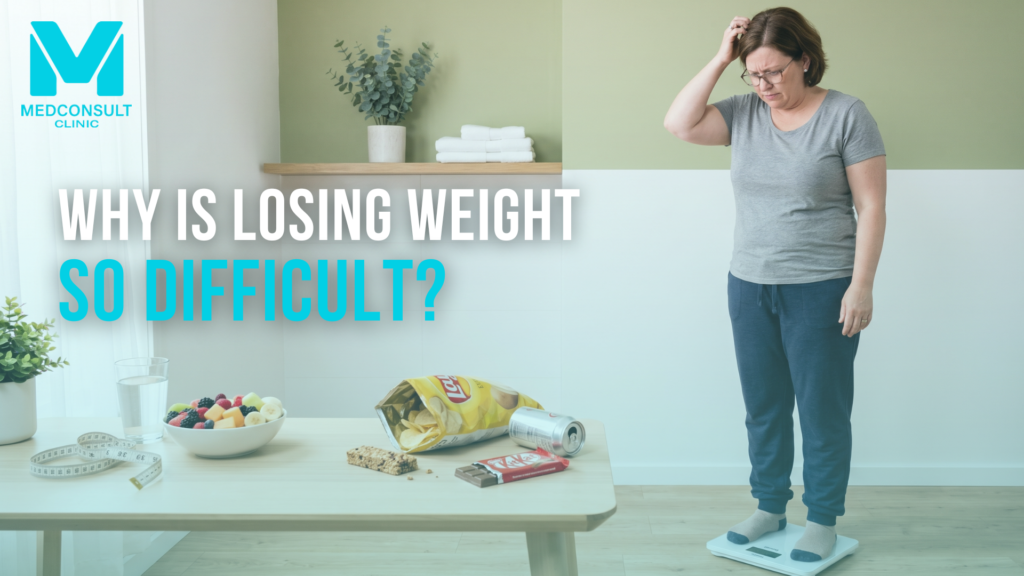
If you’ve ever felt frustrated because you can’t lose weight despite doing “everything right” — eating healthier, exercising more — you’re definitely not alone. Many people struggle to lose weight even when they’re making consistent efforts.
Weight loss is not just about willpower or calories. It’s influenced by a complex combination of hormones, metabolism, lifestyle habits, and underlying health conditions. When one or more of these factors are out of balance, losing weight can become much harder than expected.
Understanding the real reasons behind weight resistance is the first step toward finding a solution that actually works for your body.
1. Hormonal Imbalances
The Hidden Driver of Weight Gain
Hormones play a major role in regulating:
- Hunger and appetite
- Fat storage
- Energy levels
When hormones are imbalanced, your body may:
- Store more fat
- Feel hungrier than usual
- Burn fewer calories
Common Hormones That Affect Weight
- Insulin – High levels can promote fat storage
- Cortisol (stress hormone) – Linked to abdominal weight gain
- Thyroid hormones – Affect metabolism speed
- Estrogen/Testosterone – Influence fat distribution and muscle mass
2. Slower Metabolism
Why Your Body Burns Fewer Calories
Your metabolism determines how efficiently your body uses energy. Factors that can slow metabolism include:
- Aging
- Loss of muscle mass
- Previous dieting (metabolic adaptation)
“Eating Less” Isn’t Always the Answer
In some cases, eating too little for long periods can cause the body to:
- Conserve energy
- Slow calorie burning
- Make weight loss more difficult
3. Lifestyle Factors You Might Overlook
Sleep and Stress
Poor sleep and chronic stress can disrupt hormones and increase cravings.
Common effects include:
- Increased appetite
- Craving high-calorie foods
- Reduced energy for exercise
Daily Habits
Small habits can add up, such as:
- Irregular eating patterns
- Sedentary lifestyle
- Hidden calories in drinks or snacks
4. Medical Conditions That Affect Weight
Underlying Health Issues
Some medical conditions may make weight loss more difficult, including:
- Thyroid disorders
- Polycystic Ovary Syndrome (PCOS)
- Insulin resistance
- Hormonal changes (e.g., menopause)
When to Consider Medical Evaluation
If you are:
- Gaining weight without explanation
- Unable to lose weight despite consistent effort
- Experiencing fatigue or other symptoms
it may be worth discussing with a doctor.
5. Appetite and Hunger Regulation
Why You Feel Hungry All the Time
Your body uses hormones to control hunger and fullness. When these signals are disrupted, you may:
- Feel hungry more often
- Struggle with portion control
- Experience cravings
The Role of Modern Medical Treatments
Some medical weight management approaches focus on:
- Improving appetite control
- Supporting satiety (feeling full)
- Helping regulate eating patterns
These treatments are typically used as part of a doctor-supervised program.
What You Can Do Next
Take a Personalized Approach
There is no one-size-fits-all solution. Effective weight management often includes:
- Understanding your body’s unique factors
- Identifying underlying causes
- Creating a structured plan
Consider Medical Support
At MedConsult Clinic, weight management is approached through:
- Doctor consultation and assessment
- Hormone and metabolic evaluation
- Personalized treatment plans
This may include lifestyle guidance and, when appropriate, medical treatments tailored to your needs.
For More Weightloss Services Click Here !
Frequently Asked Questions (FAQs)
Why am I not losing weight even with diet and exercise?
There may be underlying factors such as hormonal imbalance, metabolism, or lifestyle habits affecting your results.
Can hormones really stop weight loss?
Hormones can significantly influence appetite, fat storage, and metabolism, which can affect weight loss.
Should I see a doctor for weight loss?
If you’ve been struggling despite consistent effort, a medical evaluation can help identify possible causes.
Are medical weight loss treatments safe?
When supervised by a licensed healthcare professional, treatments are designed to be safe and appropriate for individual needs.